Introduction
After giving birth, many women face changes in their bodies. Postnatal physiotherapy helps new mothers heal and regain strength. It uses special postnatal recovery exercises and gentle care. Physiotherapy after childbirth can ease pain, improve movement, and support daily life. In fact, the benefits of postnatal physiotherapy include faster healing and better comfort. Many experts, including the World Health Organization (WHO), recommend early support for new mothers. Let’s explore how postnatal physiotherapy can help you recover after childbirth.
What is Postnatal Physiotherapy?
Postnatal physiotherapy is care given to women after childbirth. It focuses on helping the body heal and regain strength. A physiotherapist guides mothers through safe exercises and gentle treatments. These sessions often target the back, belly, and pelvic floor muscles. As a result, women can move better and feel stronger. This care is safe for most women, whether they had a normal delivery or a cesarean section.
Common Physical Challenges After Childbirth
After childbirth, many women notice changes in their bodies. Some common physical challenges include:
However, with the right support, these issues can improve over time. Early care can make a big difference in your recovery.
Key Benefits of Postnatal Physiotherapy
Postnatal physiotherapy offers many benefits for new mothers. For example, it can:
Moreover, regular sessions help prevent long-term problems. According to the CDC, early movement and gentle exercise are safe for most women.
Typical Postnatal Physiotherapy Techniques and Exercises
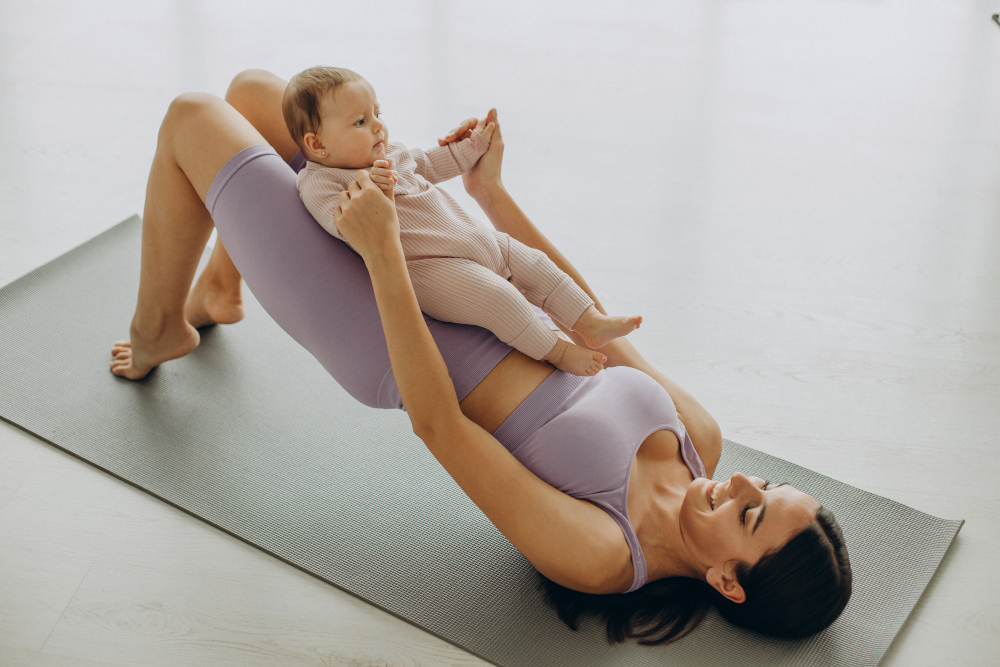
Physiotherapists use many safe techniques to help new mothers. Some common postnatal recovery exercises and methods include:
But always follow your physiotherapist’s advice. They will adjust exercises to fit your needs.
Safety Tips and Precautions
Safety is very important during postnatal physiotherapy. To stay safe, remember these tips:
Additionally, always ask questions if you are unsure about any exercise.
When to Start Postnatal Physiotherapy
Many women can begin gentle exercises soon after childbirth. However, the best time depends on your health and delivery type. For example, women with a normal delivery may start light movements within days. Those with a cesarean or complications should wait for their doctor’s advice. In any case, always check with your healthcare provider before starting postnatal physiotherapy.
Prevention and Long-term Wellness
Postnatal physiotherapy is not just for recovery. It also helps prevent future problems. For instance, regular exercises can lower the risk of back pain and bladder issues. Good habits now support long-term wellness. Moreover, staying active can boost your mood and energy. Your physiotherapist can teach you safe ways to move, lift, and care for your body every day.
Conclusion
In summary, postnatal physiotherapy supports healing and strength after childbirth. It offers safe, gentle care for new mothers. If you want to recover well, consider this helpful support. Consult a qualified physiotherapist at Holistic Touch Clinic for personalized postnatal recovery guidance.