
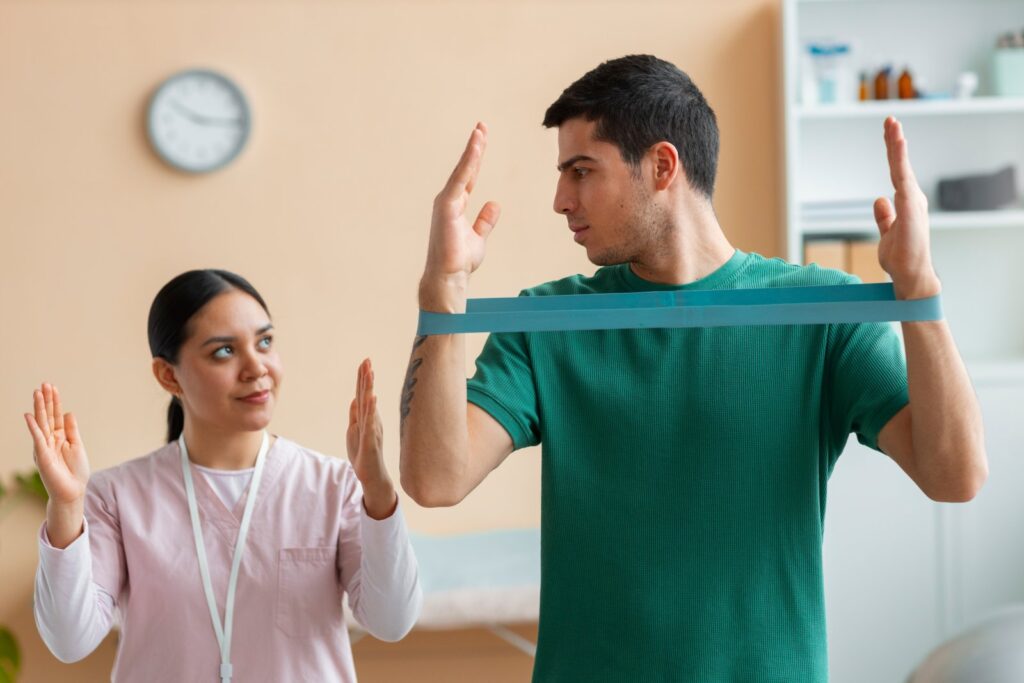
What Is Balance and Coordination Training After Neurological Injury?
Balance and coordination training after neurological injury helps people regain movement control. After a brain or nerve injury, many people struggle to stand, walk, or move safely. Early training can improve these skills. In fact, balance training after stroke or brain injury is a key part of neurological rehabilitation physiotherapy. This training uses special exercises to help the brain and body work together again.
Common Symptoms and Challenges After Neurological Injury
After a neurological injury, people may notice many changes. For example, they may feel dizzy or unsteady. Some may have trouble walking or standing. Others may drop objects or lose their balance easily. These symptoms can make daily life hard. However, with the right support, many people improve over time. Common challenges include:
Causes and Types of Neurological Injuries Affecting Balance and Coordination
Several types of neurological injuries can affect balance and coordination. For instance, a stroke can damage parts of the brain that control movement. Traumatic brain injuries, such as those from falls or accidents, may also cause problems. In addition, conditions like multiple sclerosis or Parkinson’s disease can affect nerves and muscles. Common causes include:
Each type of injury may affect people differently. Yet, all can lead to balance and coordination issues.
Diagnosis and Assessment Methods
Doctors and physiotherapists use several tests to check balance and coordination. First, they may ask about your symptoms and medical history. Next, they may watch how you walk or stand. Sometimes, they use special tools to measure your movements. Common assessment methods include:
These tests help create a safe and effective recovery plan.
Evidence-Based Balance and Coordination Training Techniques
Many studies show that special exercises can help people recover after neurological injury. For example, balance training after stroke often includes standing and walking practice. Coordination exercises for brain injury may use simple tasks, like reaching or stepping. Some proven techniques include:
According to the World Health Organization (WHO), regular practice can help the brain form new connections. This process is called neuroplasticity.
Benefits of Physiotherapy in Recovery
Physiotherapy plays a key role in neurological rehabilitation. A trained physiotherapist can design a program just for you. Not only do they teach safe exercises, but they also help you build strength and confidence. Benefits of physiotherapy include:
Many people see steady progress with regular sessions.
Home Exercises and Lifestyle Tips for Ongoing Improvement
Even at home, you can support your recovery. However, always check with your physiotherapist before starting new exercises. Here are some simple ideas:
Besides exercise, keep your home safe. Remove loose rugs and keep walkways clear. Wear sturdy shoes to prevent slips. Over time, small daily efforts can lead to big gains.
Prevention of Falls and Further Injury
Preventing falls is very important during recovery. First, use handrails on stairs and in bathrooms. Next, keep floors dry and clutter-free. If you feel dizzy, sit down right away. Some people may need a cane or walker for extra support. In addition, ask family or friends for help when needed. Simple steps can lower your risk of injury.
When to Consult a Physiotherapist or Specialist
If you notice new balance problems or frequent falls, seek help. Also, if you feel weaker or less steady, talk to your doctor. A qualified physiotherapist can assess your needs and guide your recovery. Early support often leads to better results. For ongoing issues, regular check-ins are helpful. Never ignore sudden changes in movement or balance.
Conclusion
In summary, balance and coordination training after neurological injury is key for recovery. With the right exercises and support, many people regain movement and confidence. For personalized balance and coordination training after a neurological injury, consult Dr. Shweta Mishra, a qualified physiotherapist, for expert guidance and rehabilitation support.