Introduction: Why Postnatal Physiotherapy Matters
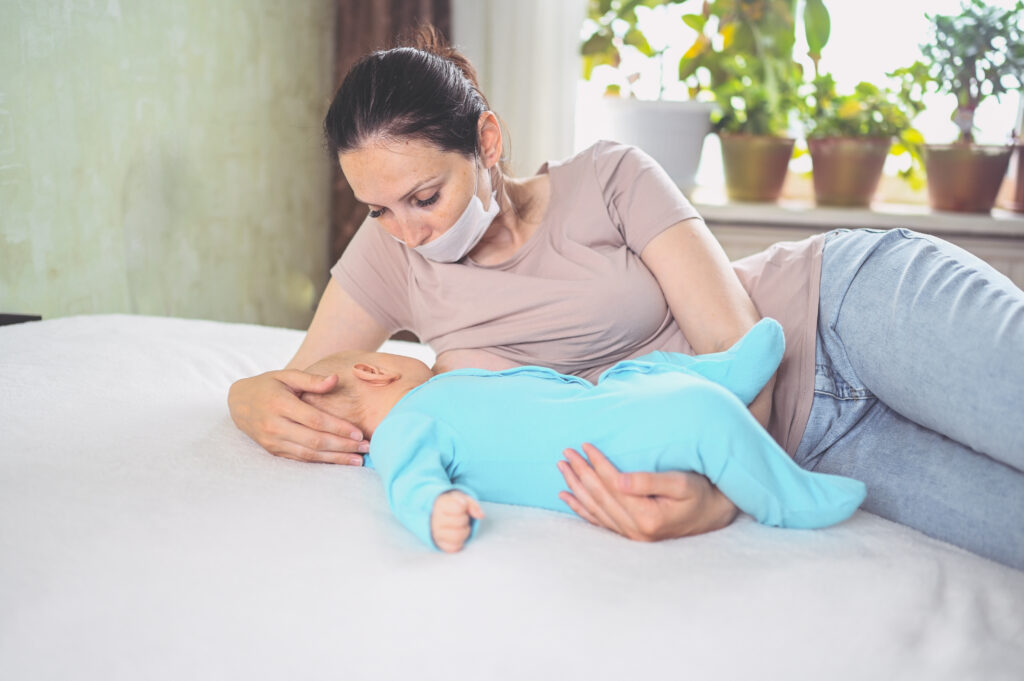
After childbirth, your body needs time and care to heal. Postnatal physiotherapy helps new mothers recover safely. It supports your body as you adjust to life after delivery. In fact, many women face changes in strength, posture, and comfort. With the right postnatal physiotherapy tips, you can bounce back after baby and feel stronger each day. According to the World Health Organization (WHO), gentle movement and guided exercises help speed up recovery and prevent long-term issues.
Common Physical Challenges After Childbirth
Many new mothers notice changes in their bodies after giving birth. For example, you may feel weak or sore. Some women experience back pain, pelvic discomfort, or trouble with bladder control. Additionally, you might notice poor posture or muscle tightness. These challenges are common, but they can improve with the right care. It is important to listen to your body and take small steps toward recovery.
Safe Postnatal Exercises and Physiotherapy Tips
Starting gentle exercises can help you regain strength and confidence. However, always check with your doctor before beginning any new routine. Here are some safe exercises and tips for new mothers:
Remember, slow progress is normal. If you feel pain, stop and rest. For more guidance, a physiotherapist can create a plan just for you.
Resuming Daily Activities and Self-Care
After childbirth, daily tasks may feel harder. But with patience, you can return to your routine. First, ask for help when you need it. Next, break big tasks into smaller steps. For example, try folding laundry while sitting down. Also, take short breaks to rest your body. Eating healthy foods and drinking water will support your recovery. Above all, be kind to yourself as you heal.
Warning Signs: When to Seek Professional Help
Most women recover well after childbirth. However, some symptoms need quick attention. Contact your doctor or physiotherapist if you notice:
Early help can prevent bigger problems. Do not wait if you feel something is wrong.
Preventing Long-Term Complications
Taking care of your body now helps avoid future issues. For instance, regular pelvic floor exercises can prevent bladder leaks. Good posture reduces back pain. Also, gentle movement keeps your muscles flexible. According to the CDC, staying active and following safe exercises after childbirth lowers your risk of long-term pain or weakness.
Lifestyle and Home Care Advice for Recovery
Small changes at home can make a big difference. Try these tips for a smoother recovery:
Over time, these habits will help you feel stronger and more comfortable.
Conclusion: Take Charge of Your Recovery
In summary, postnatal physiotherapy offers safe ways to bounce back after baby. With gentle exercises, self-care, and support, you can recover well. If you have concerns or need a personalized plan, consult a qualified physiotherapist Shweta Mishra for postnatal recovery advice.