Introduction
Pelvic floor health is important for everyone. The pelvic floor is a group of muscles at the bottom of your pelvis. These muscles support your bladder, bowel, and, for women, the uterus. When your pelvic floor is strong, you feel better and avoid many common problems. In this blog, you will learn about pelvic floor health, why it matters, and how simple exercises can help. You will also find tips for safe practice and advice on when to seek help.
What is the Pelvic Floor?
The pelvic floor is a layer of muscles and tissues. It stretches from your tailbone to your pubic bone. These muscles act like a hammock, holding up your organs. Because they play a big role in daily life, keeping them strong is key. For example, they help control when you go to the bathroom. They also support your core and help with posture.
Common Pelvic Floor Problems
Many people have pelvic floor issues at some point. Some common problems include:
Although these issues are common, they are not a normal part of aging. With the right care, you can improve or prevent them.
Benefits of a Healthy Pelvic Floor
When your pelvic floor is strong, you enjoy many benefits. For instance, you may notice:
In addition, regular pelvic floor exercises can help you recover faster after childbirth or surgery.
Effective Pelvic Floor Exercises
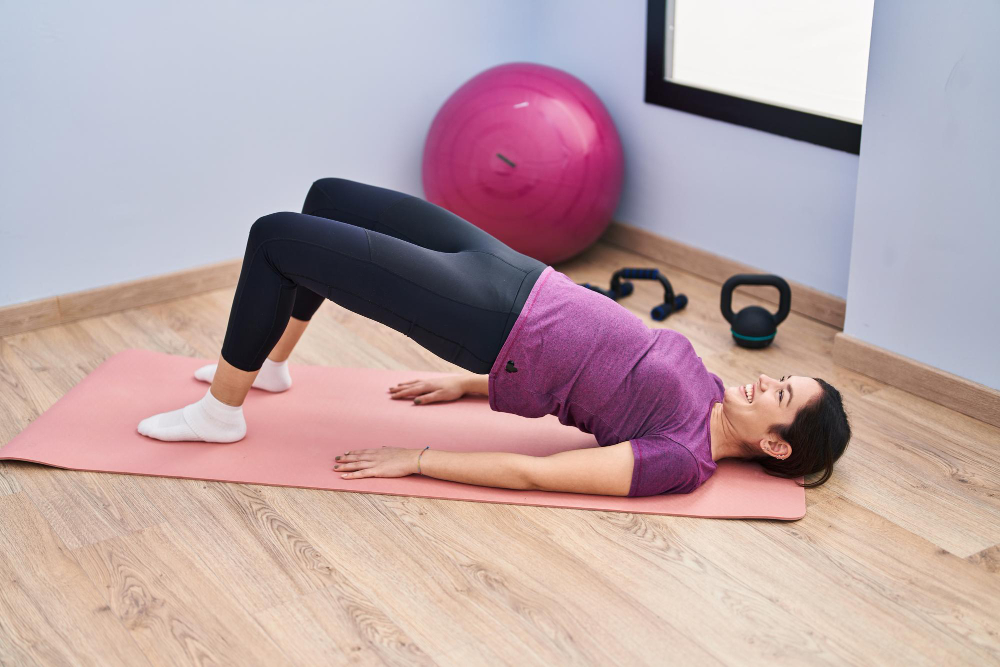
There are simple exercises you can do at home. These are often called Kegel exercises. Even if you are a beginner, you can start with these steps:
As you get stronger, you can hold the squeeze longer. However, do not overdo it. If you feel pain, stop and rest.
Tips for Safe Exercise and Progress Tracking
To keep your exercises safe and effective, follow these tips:
With regular practice, you should notice changes in a few weeks. But, everyone is different, so be patient with yourself.
When to Seek Professional Help
Sometimes, exercises alone are not enough. You should see a healthcare provider if you:
Moreover, a physiotherapist can teach you how to strengthen pelvic floor muscles safely. They can also check your technique and create a plan just for you.
Prevention and Lifestyle Guidance
There are many ways to protect your pelvic floor health every day. For example:
In summary, small changes can make a big difference over time. Because prevention is easier than treatment, start caring for your pelvic floor today.
Consult a physiotherapist at Holistic Touch Clinic for personalized pelvic floor guidance.