Introduction
Traumatic brain injury rehabilitation is a vital step after a head injury. It helps people regain lost skills and improve their quality of life. After a traumatic brain injury (TBI), recovery and care are important for healing. With the right support, many people can return to daily activities. However, each person’s journey is unique. Early and ongoing rehabilitation can make a big difference in outcomes.
What is Traumatic Brain Injury (TBI)?
Traumatic brain injury, or TBI, happens when a sudden force damages the brain. This can affect how a person thinks, feels, or moves. Sometimes, even a mild injury can cause lasting problems. TBI can range from mild, like a concussion, to severe, which may cause long-term issues. Because the brain controls many body functions, TBI can change many parts of life.
Common Causes and Symptoms of TBI
Many things can cause a traumatic brain injury. For example, falls are a leading cause, especially in children and older adults. Car accidents, sports injuries, and violence can also lead to TBI. In some cases, objects striking the head may cause injury.
Symptoms of TBI can appear right away or develop over time. Some common signs include:
However, not everyone will have the same symptoms. If you notice any of these signs after a head injury, seek medical help quickly.
The Role of Rehabilitation in TBI Recovery
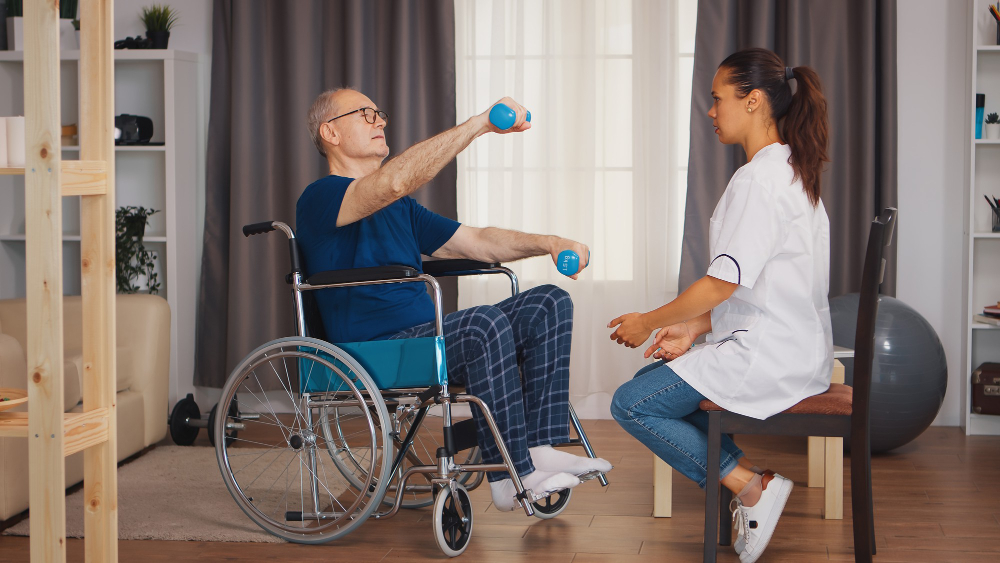
Rehabilitation is key to helping people recover after TBI. It focuses on improving movement, thinking, and daily skills. Because every brain injury is different, rehab plans are tailored to each person. Early rehab can help prevent problems and speed up recovery. In addition, ongoing therapy supports long-term healing. The goal is to help people become as independent as possible.
Stages of TBI Rehabilitation
TBI rehabilitation often happens in stages. Each stage has its own focus and goals. For example, the first stage may begin in the hospital. Later stages may take place at home or in a rehab center. The main stages include:
However, not everyone will need every stage. The care team will decide what is best for each person.
Key Therapies and Interventions
Many therapies help with TBI recovery. Each therapy targets different needs. For example, physical therapy helps with movement and strength. Occupational therapy teaches daily living skills. Speech therapy improves talking and swallowing. Other interventions may include:
Because every person is different, the rehab team creates a plan that fits each patient’s needs. Regular progress checks help adjust the plan as needed.
Home Care and Support Strategies
After leaving the hospital, home care is important for recovery. Family members and caregivers play a big role. For example, they can help with daily routines and safety. Some helpful strategies include:
With support, many people can regain skills and confidence at home. However, it is important to ask for help when needed.
Tips for Preventing Further Injury
After a TBI, it is important to avoid another head injury. Here are some tips to stay safe:
Because the brain is healing, extra care is needed. Taking these steps can help protect against further harm.
Frequently Asked Questions about TBI Rehabilitation
Conclusion
In summary, traumatic brain injury rehabilitation is key for recovery and care. With the right therapies and support, many people regain skills and independence. However, each journey is different. Consult a rehabilitation specialist Dr. Shweta Mishra at Holistic touch clinic for personalized guidance on traumatic brain injury recovery and care.