What Is Women’s Health Rehabilitation?
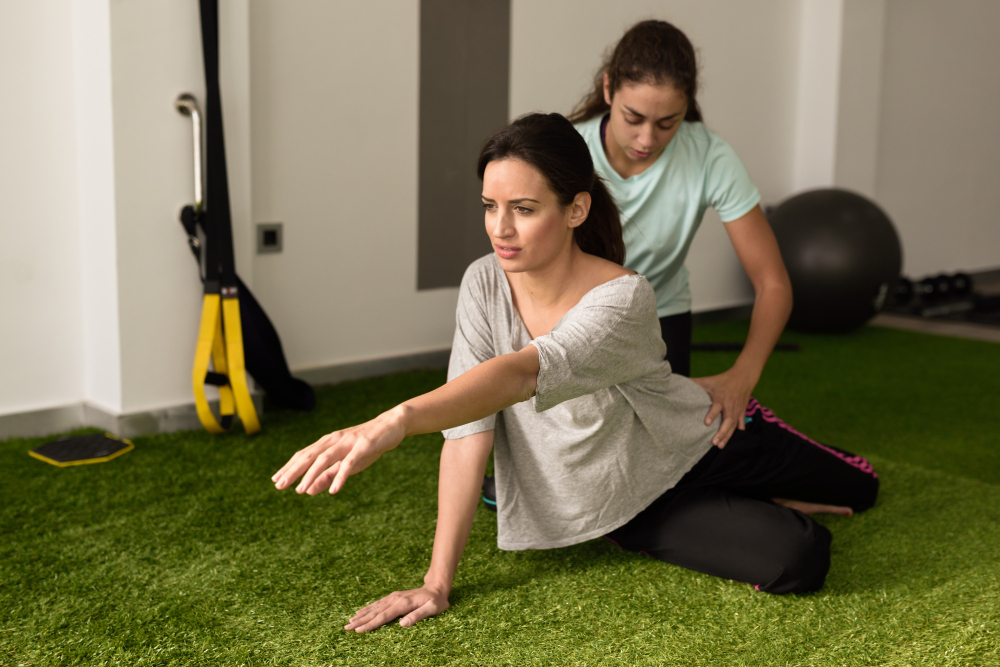
Women’s health rehabilitation focuses on helping women recover and stay healthy. It uses special physiotherapy methods to address unique health needs. For example, it supports women after childbirth, surgery, or injury. This approach aims to improve strength, movement, and daily comfort. Because every woman is different, care is always tailored to each person’s needs. Women’s health rehabilitation: strengthening overall wellness is the main goal. It helps women feel better and live fuller lives.
Common Conditions Addressed
Many women face health issues that benefit from rehabilitation. Some common conditions include:
Because these issues can affect daily life, early support is important. Physiotherapists help women manage symptoms and regain strength.
Benefits of Rehabilitation for Women’s Wellness
Women’s health rehabilitation offers many benefits. First, it helps reduce pain and discomfort. Next, it improves movement and flexibility. In addition, it can boost confidence and independence. Some key benefits include:
According to the World Health Organization (WHO), rehabilitation is vital for good health and quality of life.
Key Physiotherapy Techniques and Approaches
Physiotherapists use many techniques to help women. For example, they may teach special exercises to strengthen the pelvic floor. They also use gentle stretching and movement training. Sometimes, manual therapy (hands-on treatment) is used to ease pain. Other common approaches include:
Because every woman’s needs are unique, treatment plans are always personalized. This ensures the best results for each person.
Lifestyle Tips for Maintaining Wellness
Staying healthy goes beyond therapy sessions. Therefore, making small changes at home can help maintain wellness. Here are some simple tips:
With these habits, women can support their health and prevent future problems.
Prevention and Early Intervention
Preventing health issues is always better than treating them later. For this reason, early intervention is key. If you notice pain, weakness, or changes in your body, seek help soon. Early physiotherapy can stop problems from getting worse. In addition, regular check-ups help catch issues early. This approach leads to better long-term wellness.
When to Consult a Physiotherapist
It is important to know when to seek professional help. You should consult a physiotherapist if you:
Because physiotherapists are trained to help women, they can guide you safely. They will create a plan that fits your needs and goals.
Conclusion
Women’s health rehabilitation is vital for strengthening overall wellness. With the right support, women can recover, stay active, and enjoy life. Consult a physiotherapist, Dr Shweta Mishra, at Holistic Touch Clinic for personalized women’s health rehabilitation guidance.